

An Gairdín Draíocht (The Magic Garden)
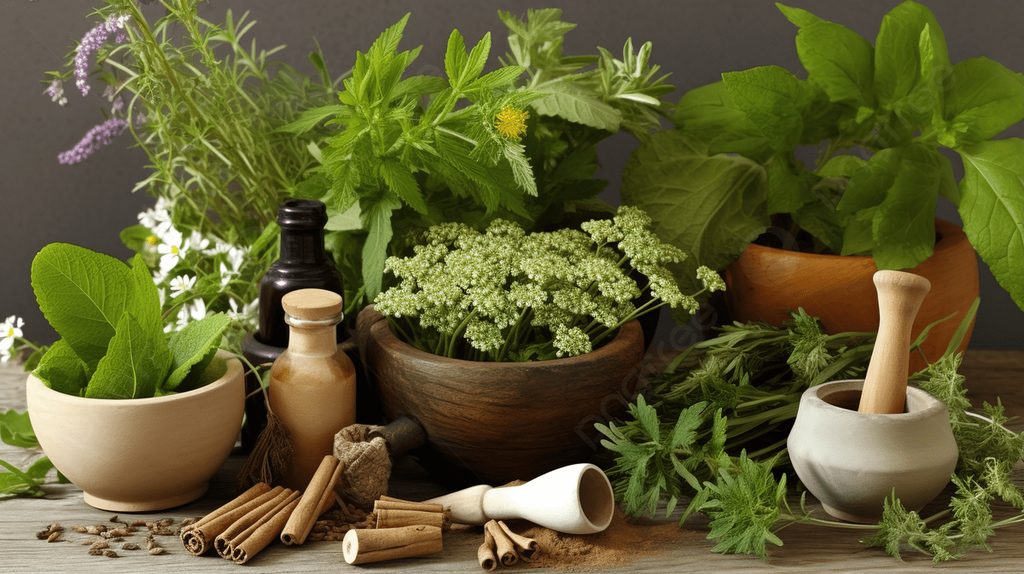
An Gairdín Draíocht (the Magic Garden) is the fourth of Tidy Towns Malahide ‘Concept Gardens’ to be found in Malahide Village. Located at the front of the Malahide Library, this garden contains Heritage herbs that would have been used before the emergence of conventional medicine. The plants have been sourced locally wherever possible.
Each plant is bordered by materials taken from an old cottage on New Street which was renovated in 2026. The red bricks would have been fired in neighbouring Portmarnock from local clay and the iron pieces are from the original fireplace. The slate pieces come from the old roof. The red tiles making up the pathway in the garden came from the blue house on Castle Terrace (opposite the Train station). Read more about the history of Malahide HERE.
The information on each herb below is taken from Herbs DK Pocket Dictionary, 1995, London.
The garden was designed by Heidi Bedell and launched on 31/10/2026 online by Cllr Eoghan O Brien.
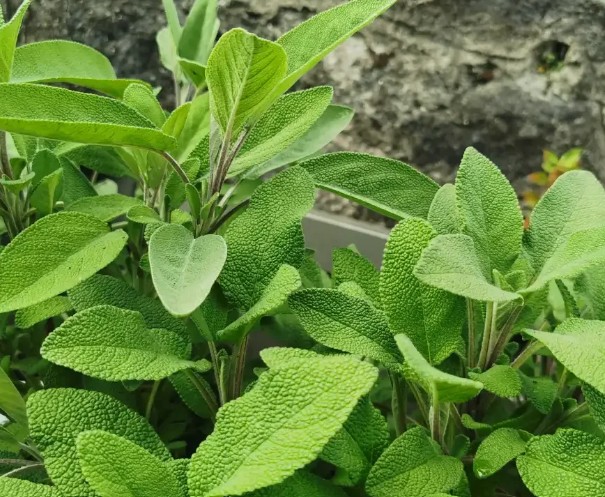
The sage plant has been praised highly worldwide throughout history for its powers of longevity. “How can a man grow old who has sage in his garden?” is the substance of an ancient proverb much quoted in China and Persia and parts of Europe. It was so valued by the Chinese in the seventeenth century that Dutch merchants found the Chinese would trade three chests of China tea for just one sage leaf!
The name salvia, from the Latin salvere, to be in good health, to cure, to save, reflects its benevolent reputation. To the Romans it was a sacred herb gathered with ceremony. The appointed person would make sacrifices of bread and wine, wear a white tunic and approach well washed and with feet bare. Roman instructions advised against using iron tools, a sensible edict as iron salts are incompatible with sage.
This powerful healing plant is also a strong culinary herb, often best used on its own. As one chef wrote: “In the grand opera of cooking, sage represents an easily-offended and capricious prima donna. It likes to have the stage almost to itself.” However, it is valuable as an aid to digesting fatty foods.
Medicinal use
LEAF – Aids digestion and is antiseptic, antifungal and contains oestrogen. Helps to combat diarrhoea and used in tea for sore throats.
Dried sage can be burned and used to ‘clear’ spirits from a house (smudging).
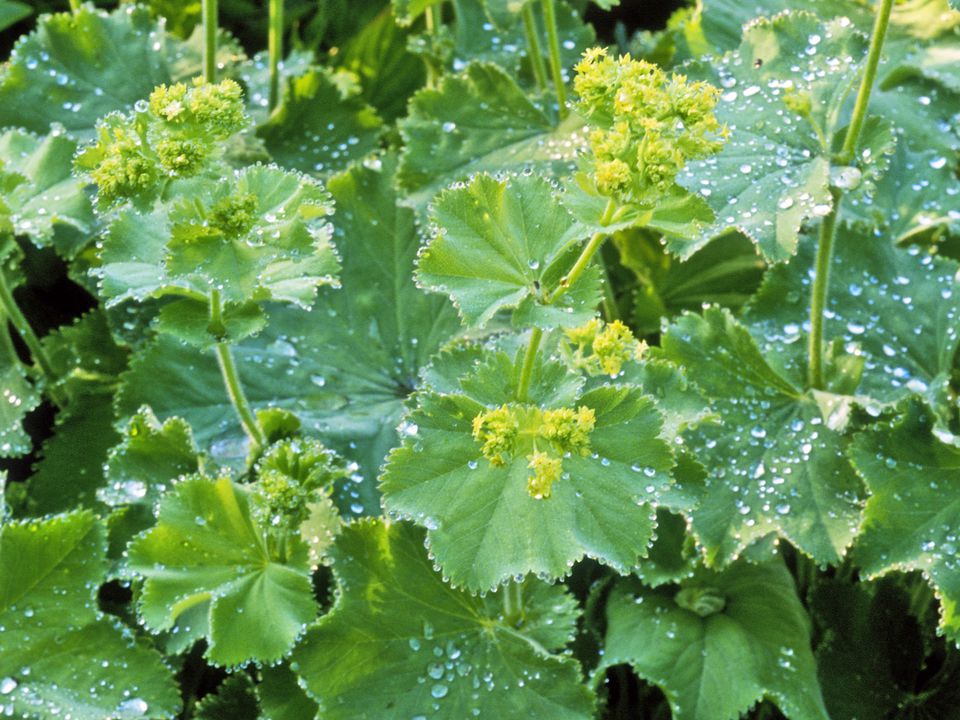
From ‘little magical one’, the Arab alkemelych (alchemy), comes Alchemilla, so-called because of this herb’s healing reputation. The herb was acquired by the Christian Church, which renamed it ‘Our Lady’s Mantle’. Its protective role was reflected in its nickname ‘a woman’s best friend’, as it may regulate periods, ease the menopause and clear inflammations of the female organs. One German herbalist claims prolonged use of lady’s mantle tea could cut gynaecological operations by one-third. A vulgaris is an aggregate name for about 21 subspecies which seem to have similar medicinal properties.
Medicinal use
LEAF Cosmetic astringent and staunch bleeding.
Infuse and use as a mouth rinse after tooth extraction and for diarrhoea.
Decoct for a compress for healing wounds and reducing inflammation.
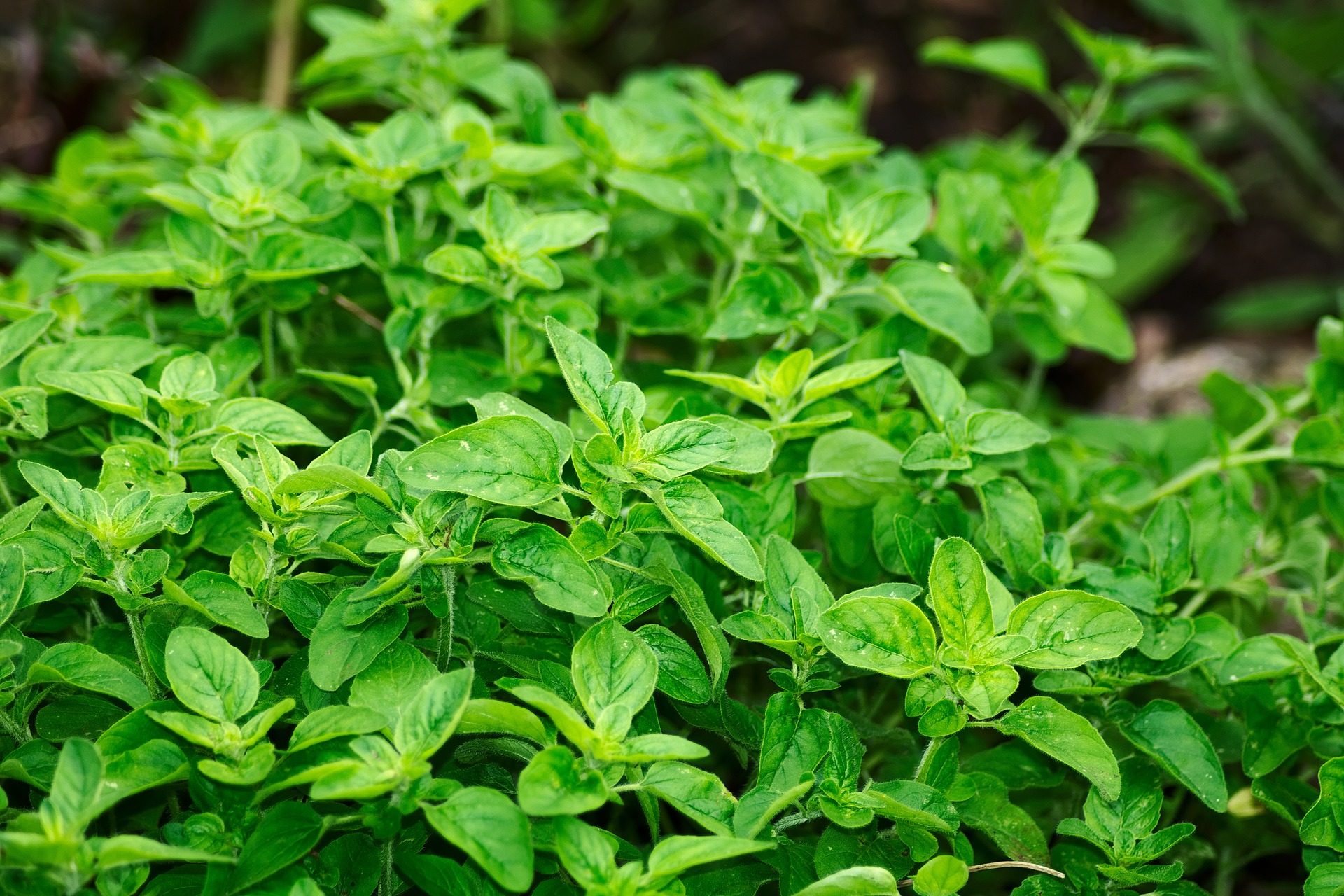
The sweet spicy scent of this herb was reputedly created by Aphrodite as a symbol of happiness. In ancient Egypt oregano’s power to heal was well known.
Medicinal use
Leaf – Infuse as a tea for coughs, nervous headaches and irritability.
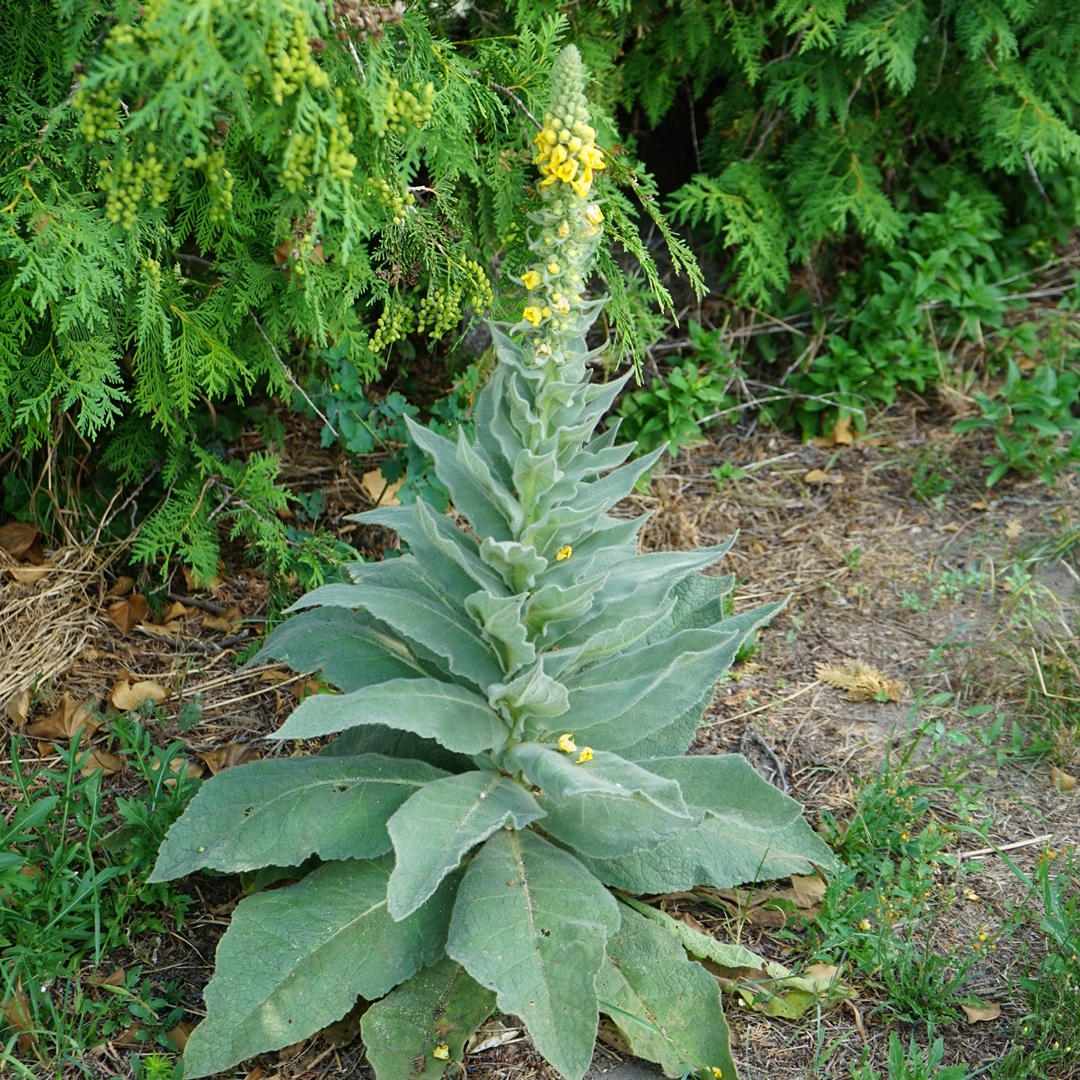
A magical herb of antiquity, mullein was given to Ulysses to protect him from the sorcery of Circe, who changed his crew into pigs. It has attracted over 30 common names, including Aaron’s rod, candlewick plant, hag’s taper and velvet dock. The soft, fine hairs on the leaves and stem protect the herb from moisture loss, creeping insects and grazing animals. It produces yellow flowers in the second year of its life.
Medicinal uses
Flower: Seep in water until water is yellow, then drink to relieve persistent coughs, respiratory mucus and hoarseness.
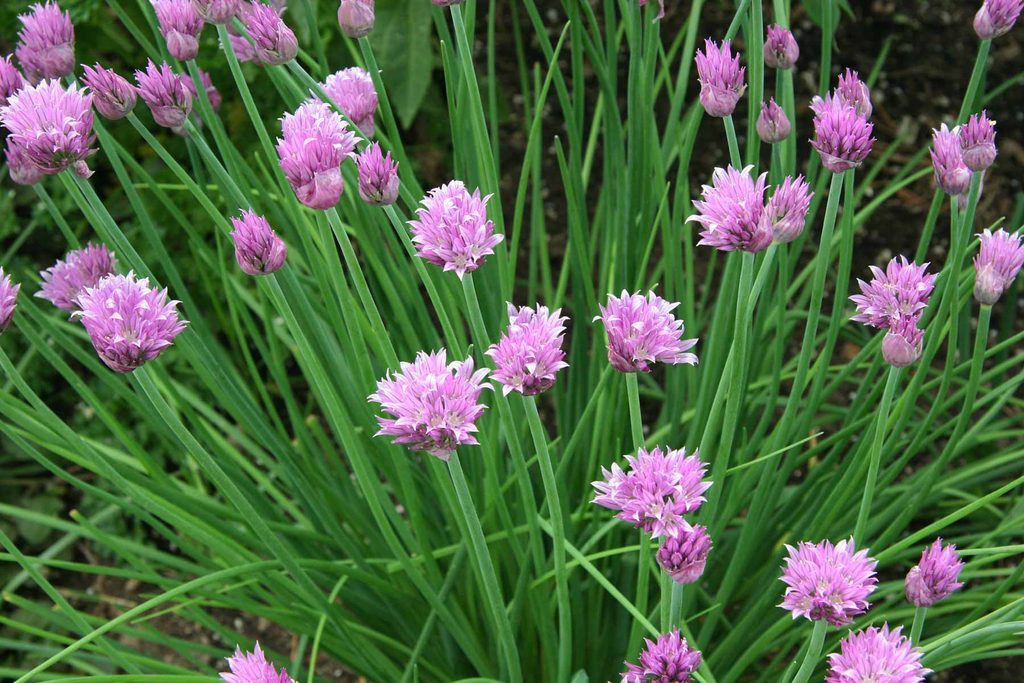
Chives were recorded 4,000 years ago in China and appreciated there by the traveller Marco Polo. He reported their culinary virtues to the West, where they rapidly became indispensable.
Medicinal use
Sprinkle on food to stimulate appetite and help digestion. All alliums contain iron and vitamins.
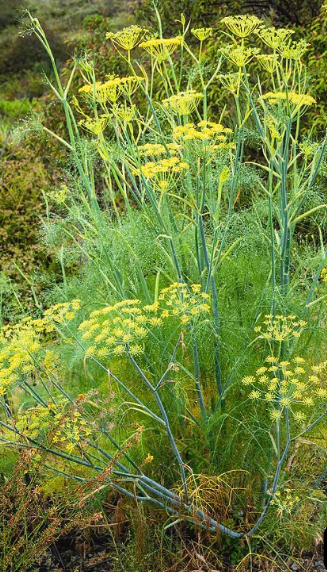
Fennel is one of our oldest cultivated plants and was much valued by the Romans. In an age of banquets, Roman warriors took fennel to keep in good health, while Roman ladies ate it to prevent obesity. Every part of the plant is edible. It was one of the nine herbs held sacred by the Anglo-Saxons for its power against evil. With healing properties also to its credit, Charlemagne declared in AD 812 that fennel was essential in every imperial garden.
Medicinal uses
Seeds – chew to combat bad breath
Seed and leaf – Use in facial steams and baths for deep cleansing. Eat to help with digestion.
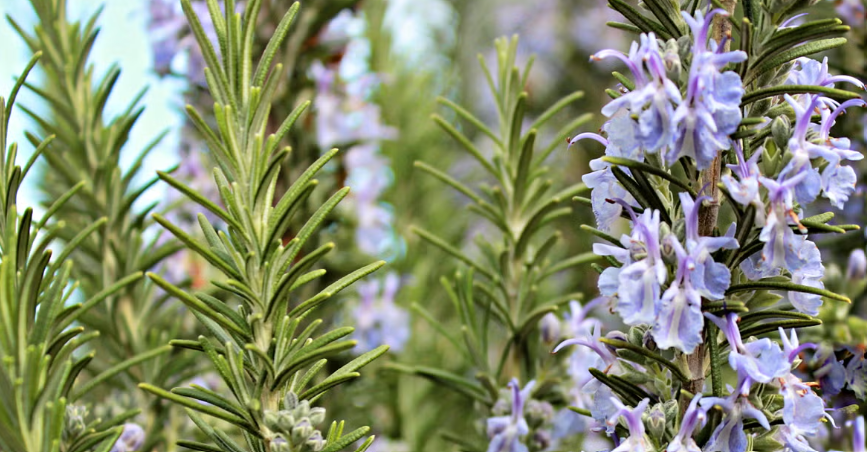
Rosemary “dew of the sea”, holds a special place in the affections of many as the essence of a summer herb garden. It has been used by cooks and apothecaries from earliest times. With a reputation for strengthening the memory, it soon became the emblem of fidelity for lovers.
In times past, rosemary was burned in sick chambers to purify the air and branches were strewn in law courts as a protection from “gaol fever”. During the plague, it was carried in the neck pouches to be sniffed when travelling through suspicious areas. In some Mediterranean villages, linen is spread over rosemary to dry, so the sun will extract it moth-repellent aroma. Rosemary also makes a good garden hedge.
Medicinal use
Leaf: Stimulates circulation and eases pain by increasing blood supply where applied. Aids in digestion of fats.
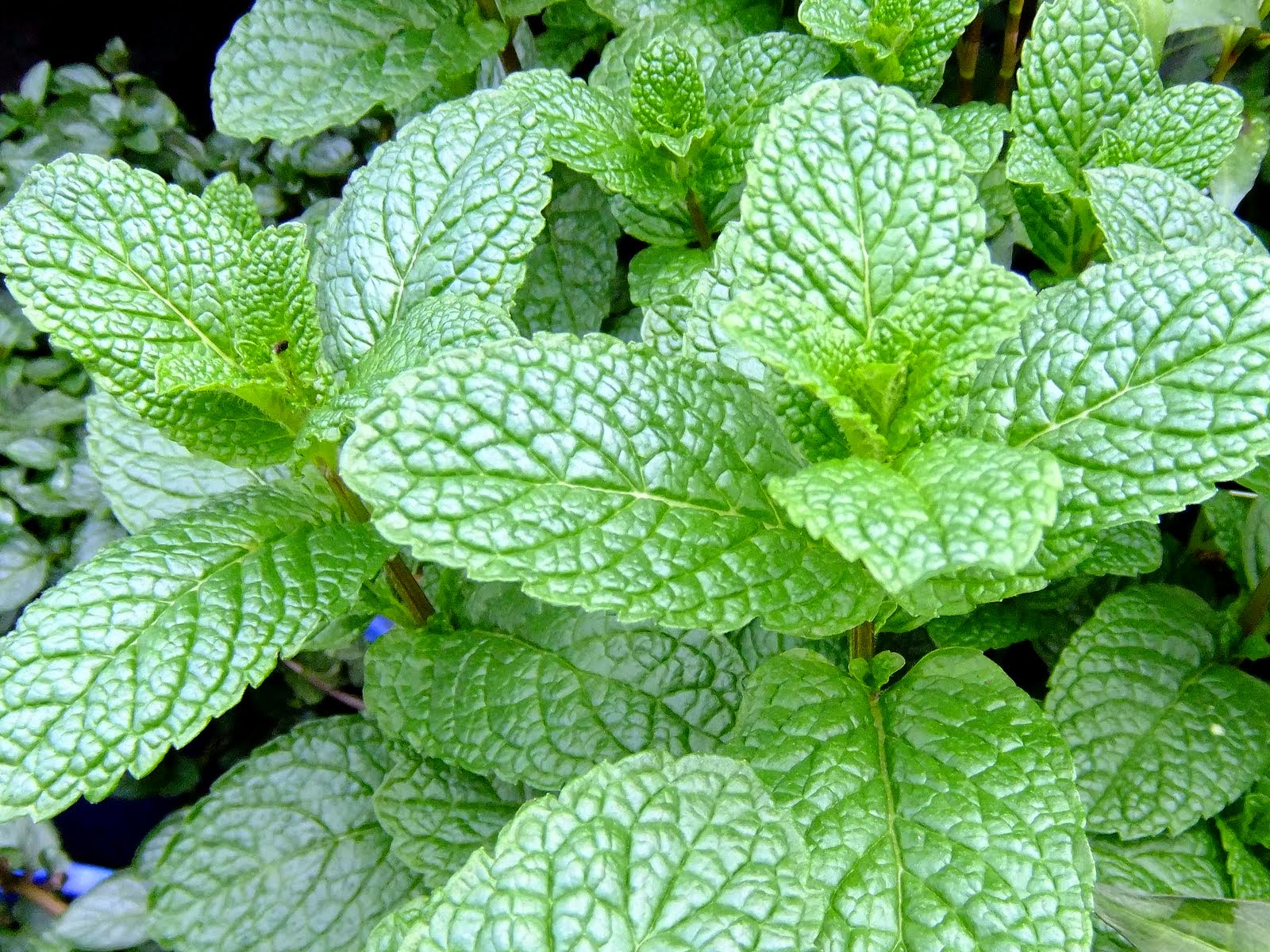
In Greek mythology, Minthe was a nymph beloved of Pluto, who transformed her into this scented herb after his jealous wife took drastic action. Mint has been highly esteemed ever since, its value being epitomized by biblical references to the Pharisees collection tithes in mint, dill and cumin. The Hebrews laid it on synagogue floors, and this idea was repeated centuries later in Italian churches.
Mint as a symbol of hospitality is mentioned by the Roman poet Ovid, who wrote of two peasants, Baucis and Philemon, who scoured their serving boards with mint before feeding guests. Gerard enlarged on this theme in 1597, “they use it to strew in places of recreation, pleasure and repose, where feasts and banquets are made.” The Romans also used mint to flavour wines and sauces. However, when women who drank wine were threatened with death, secret drinkers would mask their breath by chewing a paste of mint and honey.
Medicinal use
Leaf: Infuse as a tea to help digestion, colds and influenza.
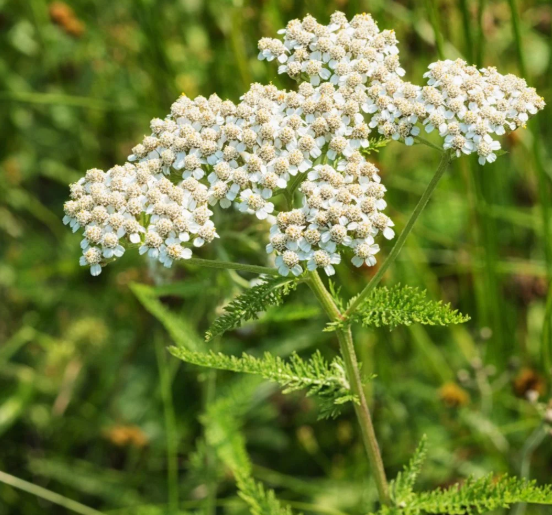
This unassuming plant conceals great powers. One small leaf will speed decomposition of a wheelbarrow full of raw compost; yarrow’s root secretions will activate the disease resistance of nearby plants; and it intensifies the medicinal actions of other herbs. Yarrow is also a potent healer. The name Achillea may stem from the battle of Troy, when Achilles healed many of his warriors after being instructed in yarrow’s ability to staunch the flow of blood.
Yarrow stems were used by the Druids to divine the weather, while in China they were used to foretell the future with the assistance of the I Ching (the book of Changes or Yarrow Stalk Oracle).
Medicinal use
LEAF – Infuse as a tea for digestive problems.
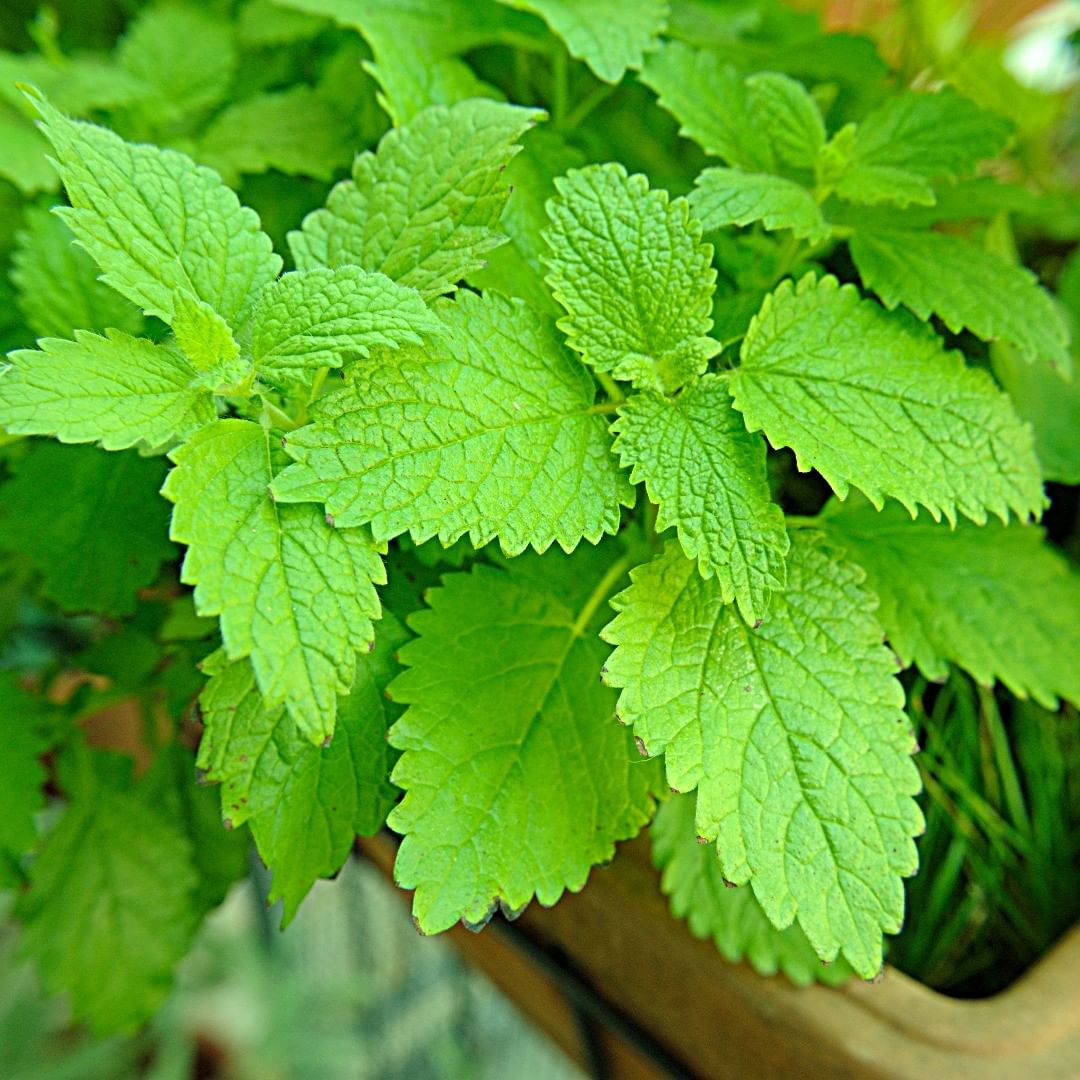
TLemon balm, it was believed, could completely revive a man and the London Dispensary, in 1696, claimed: “Balm, given every morning, will renew youth, strengthen the brain and relieve languishing nature”.
It’s virtue of dispelling melancholy has long been praised by herbal writers and it is still used today in aromatherapy to counter depression.

Medicinal use
Leaf: Infuse as a tea for relief from chronic bronchial catarrh, feverish colds and headaches.
The tea is considered ‘uplifting’ and useful for balancing hormones.
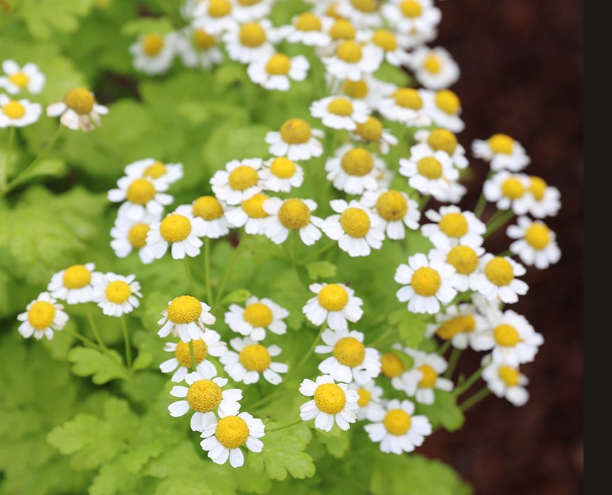
Feverfew’s ability to aid “melancholy and aches and pains in the head” has been known by herbalists, including Culpeper, for centuries. However, it was not given much attention until recently and, after detailed scientific analysis of the plant, several new healing substances have been discovered and patented. For example, in trials to prevent or reduce migraine, 70% of patients experienced some improvement after eating a number of feverfew leaves every day, while the best drug on the market currently has a 50% cure rate. Feverfew’s success in combating migraines may be due to its accumulative effect in slowly reducing the smooth muscle spasms, which are implicated in many forms of migraine.
Medicinal use
Leaf – Eat three to five fresh leaves between slices of bread every day to reduce migraines.
Leaf and flower – Infuse as a mild sedative, a tonic to the appetite, and to relieve mild muscle spasms.
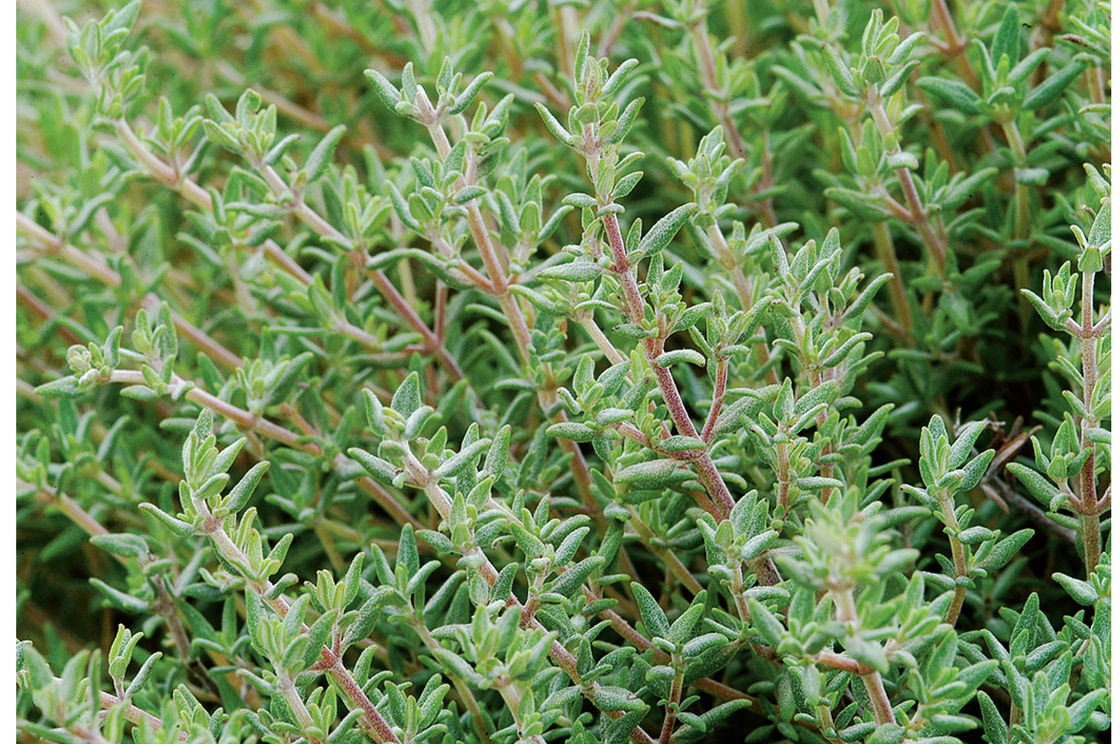
Thymus is derived from the Greek word thymon, meaning ‘courage’, and many traditions relate to this virtue. Roman soldiers, for example, bathed in thyme water to give themselves vigour. In the Middle Ages, European ladies embroidered a sprig of thyme on tokens for their knights errant.
The powerful antiseptic and preservative properties of thyme were well known to the Egyptians, who used it for embalming. It is still an ingredient of embalming fluid, and it will also preserve anatomical and herbarium specimens and protect paper from mould. Thyme is the first herb listed in the Holy Herb Charm recited by those with ‘herb cunning’ in the Middle Ages, and it is featured in a charming recipe from 1600 “to enable one to see the Fairies”.
Medicinal use
Leaf – Infuse as a tea for a digestive tonic and for hangovers. Sweeten infusion with honey for convulsive coughs, colds and sore throats.
Other herbs in the garden
Wild Strawberries
Echinacea
Hazel
Lavender
Roses
Horseradish
Borage